The broad public German consciousness can certainly and not without reason be accused of a continuing colonial amnesia. The German colonial endeavors of the late 19th and early 20th centuries have been recorded and documented in detail. To this day, there is a wealth of different material records, such as inventory lists, reports and letters between the Reich Colonial Office, the colonial administration of the German Reich, or between museum institutions in the so-called European metropolis and colonial officers on site in the so-called protectorates, i.e. in overly colonial ones Territories declared regions in Asia, the Pacific and in Africa. These records have been archived many times. The development of (museum) archives in Europe, and specifically in Germany, therefore not only plays a central role in colonial provenance research, but is also essential for a necessary and wide-ranging review of German colonial history. In addition to physical access hurdles, including the documents in the archives, which can only be digitized gradually, there is also the fact that original letters and reports from contemporary witnesses are written in Kurrent script, a German script that was still common in the 19th and 20th centuries but is difficult to decipher today cursive, have been written. It is therefore necessary to transcribe these documents in order to make them accessible for further research.
Against this background, this workshop would like to give interested parties, students, activists and artists a first introduction to the art of reading and transcribing Kurrent script.
@ Haus am Einsteinufer / Foyer of the Berlin University of the Arts, Einsteinufer 43, 10587 Berlin
Language: German
For: students, artists, activists, interested people
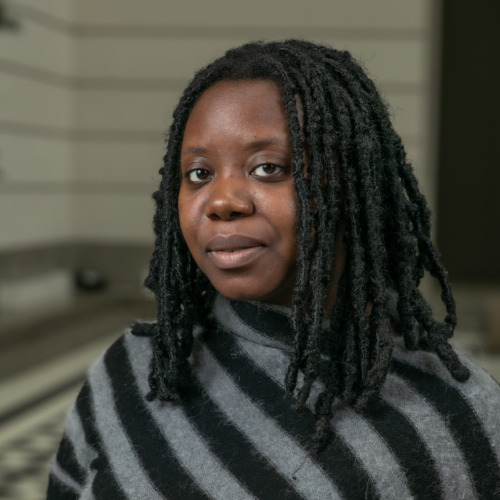
With: Jeanne-Ange Wagne